Buy appmarket.eu ?
We are moving the project
appmarket.eu .
Are you interested in purchasing the domain
appmarket.eu ?
domain@kv-gmbh.de · 0541-91531010
Buy appmarket.eu ?
Why does venir become venues in the participe passé?
Venir becomes venues in the participe passé because it is an irregular verb in French. The past participle of venir is formed by adding -u for the singular masculine form, -ue for the singular feminine form, -us for the plural masculine form, and -ues for the plural feminine form. Therefore, the past participle of venir is venu for the singular masculine form, venue for the singular feminine form, venus for the plural masculine form, and venues for the plural feminine form. **
What is the difference between the Participe Passé and the Passé Composé in French?
In French, the Participe Passé is a verb form used in compound tenses like the Passé Composé. The Passé Composé is a compound tense that consists of an auxiliary verb (either "avoir" or "être" conjugated in the present tense) followed by the past participle of the main verb. The Participe Passé is the past participle form of a verb, while the Passé Composé is a specific compound tense used to express completed actions in the past. **


Similar search terms for Participe Passé
Top-Angebote
Products related to Participe Passé:
-
Sesderma Reti Age 5 Liposomal Serum Anti-Aging Innovation 30mLA facial serum for wrinkles and signs of ageing. Reduces wrinkles and fine lines. Hydrates and strengthens barrier. Restores youthful radiance. 5-Retinoid System: smooths wrinkles, accelerates renewal, and boosts collagen. Biomimetic Peptides: fill expression lines by stimulating collagen synthesis.53,26 £*Shipping: 5,22 £Secure redirect to the provider
-
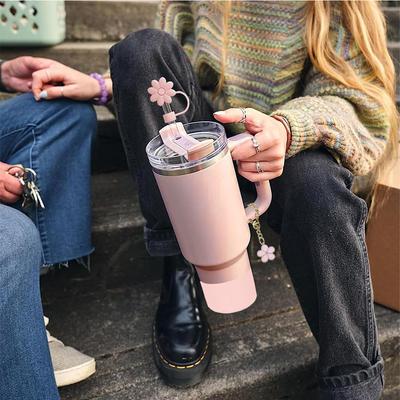
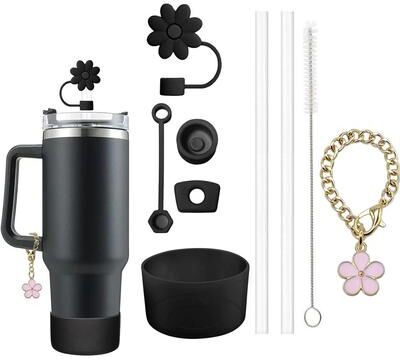
Friendly Fresh Finds Stanley Cup Accessories Set Spill Proof Stoppers, Straws, Brushes & Flower Charm For Customization creamElevate your Stanley Cup with our 9pcs Stanley Cup Accessories Set. This thoughtfully curated set includes everything you need to personalize and protect your favorite cup. Designed for convenience and style, it features three spillproof stoppers,...34,97 $*Shipping: 0,00 $Secure redirect to the provider
-
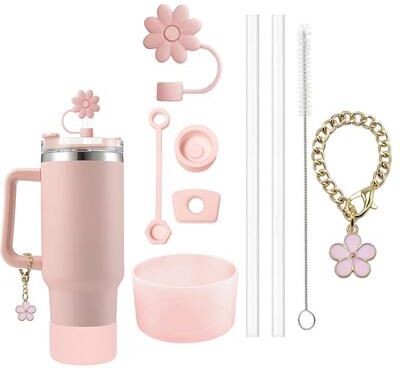
Friendly Fresh Finds Stanley Cup Accessories Set Spill Proof Stoppers, Straws, Brushes & Flower Charm For Customization pinkElevate your Stanley Cup with our 9pcs Stanley Cup Accessories Set. This thoughtfully curated set includes everything you need to personalize and protect your favorite cup. Designed for convenience and style, it features three spillproof stoppers,...34,97 $*Shipping: 0,00 $Secure redirect to the provider

-
What is the difference between the participe passé and the passé composé in French?
In French, the participe passé is a verb form used to form compound tenses like the passé composé. The participe passé is the past participle of a verb, while the passé composé is a compound tense formed by using the auxiliary verb "avoir" or "être" in the present tense followed by the past participle of the main verb. Essentially, the participe passé is a component of the passé composé, which is a complete verb form used to express actions that have been completed in the past. **
-
Can one mix the passé composé and the passé simple in a story?
Yes, it is possible to mix the passé composé and the passé simple in a story. The passé composé is commonly used in spoken French and in modern literature to express actions that are completed in the past, while the passé simple is used in formal writing to narrate specific events or actions that occurred in the past. Mixing these two tenses can add complexity and depth to a story, creating a more dynamic and engaging narrative. However, it is important to use them appropriately to maintain coherence and clarity in the storytelling. **
-
Can you mix the passé composé and the passé simple in a story?
Yes, it is possible to mix the passé composé and the passé simple in a story. The passé composé is commonly used in spoken French to talk about completed actions in the past, while the passé simple is more commonly used in written French to narrate past events. Mixing these two tenses can add complexity and richness to a story, providing a balance between the immediacy of the passé composé and the narrative distance of the passé simple. This combination can create a dynamic and engaging storytelling style. **
-
Imperfect or passé composé when?
The choice between imperfect and passé composé depends on the context and the specific action being described. The imperfect is used to describe ongoing or repeated actions in the past, while the passé composé is used for completed actions. If the action is a one-time event that happened in the past, the passé composé is more appropriate. However, if the action was ongoing or repeated, the imperfect should be used. **
What is the French passé composé?
The French passé composé is a compound past tense used to talk about completed actions in the past. It is formed with the auxiliary verb "avoir" or "être" in the present tense, followed by the past participle of the main verb. The choice between "avoir" and "être" as the auxiliary verb depends on the main verb and whether it is transitive or intransitive. The passé composé is commonly used in spoken and written French to describe specific actions that occurred at a definite point in the past. **
What is the French Passé Composé?
The French Passé Composé is a compound past tense used to talk about completed actions in the past. It is formed by using a helping verb (either "avoir" or "être" conjugated in the present tense) followed by the past participle of the main verb. The choice between "avoir" and "être" as the helping verb depends on the main verb and whether it is transitive or intransitive. The Passé Composé is one of the most commonly used past tenses in French. **
Top-Angebote
Products related to Participe Passé:
-
Ring Battery Video Doorbell Pro – Advanced Home Security & Connectivity, NewUpgrade your home security with the Ring Battery Video Doorbell Pro – Wireless Video Doorbell Security Camera . Designed to give you peace of mind, it delivers a head-to-toe 1536p HD view so you can see every detail clearly, from visitors to parcels at your doorstep. With advanced 3D Motion Detection and Bird’s Eye View , you’ll always know what’s happening around your home. The built-in colour night vision ensures crisp images even in the dark, while the wire-free battery design makes installation simple and flexible. Stay connected anywhere with instant notifications, two-way talk, and full integration with the Ring app, Alexa devices, and more. ✔️ Wireless video doorbell – Easy to install with a rechargeable battery, no wiring needed ✔️ 1536p HD head-to-toe view – See visitors and packages clearly in high definition ✔️ 3D Motion Detection & Bird’s Eye View – Advanced alerts and aerial perspective for extra security ✔️ Colour night vision – Crystal-clear video even in low light or darkness ✔️ Two-way talk with noise cancellation – Hear and speak to visitors in real time ✔️ Customisable motion zones – Focus on the areas that matter most ✔️ Smart alerts & notifications – Instant updates on your phone via the Ring app ✔️ Alexa compatible – Works seamlessly with Echo devices for hands-free monitoring ✔️ Quick-release battery pack – Easy to recharge and swap for uninterrupted security ✔️ Durable design – Built to withstand outdoor weather conditions The Ring Battery Video Doorbell Pro combines advanced motion detection, high-definition video, and smart home integration in one sleek device. Perfect for enhancing your home security, it ensures you never miss a visitor or delivery, day or night.174,49 £*Shipping: 0,00 £Secure redirect to the provider
-
Uplift Treasures Adjustable Car Accessibility Safety Handle Adjustable Car Accessibility Safety HandleProduct Description Make getting in and out of your vehicle safer and easier with this adjustable car accessibility safety handle. Designed to provide reliable support without tools, it installs quickly and offers a secure grip for seniors,...39,97 $*Shipping: 0,00 $Secure redirect to the provider
-
Sesderma Reti Age 5 Liposomal Serum Anti-Aging Innovation 30mLA facial serum for wrinkles and signs of ageing. Reduces wrinkles and fine lines. Hydrates and strengthens barrier. Restores youthful radiance. 5-Retinoid System: smooths wrinkles, accelerates renewal, and boosts collagen. Biomimetic Peptides: fill expression lines by stimulating collagen synthesis.53,26 £*Shipping: 5,22 £Secure redirect to the provider
-
Why does venir become venues in the participe passé?
Venir becomes venues in the participe passé because it is an irregular verb in French. The past participle of venir is formed by adding -u for the singular masculine form, -ue for the singular feminine form, -us for the plural masculine form, and -ues for the plural feminine form. Therefore, the past participle of venir is venu for the singular masculine form, venue for the singular feminine form, venus for the plural masculine form, and venues for the plural feminine form. **
-
What is the difference between the Participe Passé and the Passé Composé in French?
In French, the Participe Passé is a verb form used in compound tenses like the Passé Composé. The Passé Composé is a compound tense that consists of an auxiliary verb (either "avoir" or "être" conjugated in the present tense) followed by the past participle of the main verb. The Participe Passé is the past participle form of a verb, while the Passé Composé is a specific compound tense used to express completed actions in the past. **
-
What is the difference between the participe passé and the passé composé in French?
In French, the participe passé is a verb form used to form compound tenses like the passé composé. The participe passé is the past participle of a verb, while the passé composé is a compound tense formed by using the auxiliary verb "avoir" or "être" in the present tense followed by the past participle of the main verb. Essentially, the participe passé is a component of the passé composé, which is a complete verb form used to express actions that have been completed in the past. **
-
Can one mix the passé composé and the passé simple in a story?
Yes, it is possible to mix the passé composé and the passé simple in a story. The passé composé is commonly used in spoken French and in modern literature to express actions that are completed in the past, while the passé simple is used in formal writing to narrate specific events or actions that occurred in the past. Mixing these two tenses can add complexity and depth to a story, creating a more dynamic and engaging narrative. However, it is important to use them appropriately to maintain coherence and clarity in the storytelling. **
Similar search terms for Participe Passé
-
Friendly Fresh Finds Stanley Cup Accessories Set Spill Proof Stoppers, Straws, Brushes & Flower Charm For Customization creamElevate your Stanley Cup with our 9pcs Stanley Cup Accessories Set. This thoughtfully curated set includes everything you need to personalize and protect your favorite cup. Designed for convenience and style, it features three spillproof stoppers,...34,97 $*Shipping: 0,00 $Secure redirect to the provider
-
Friendly Fresh Finds Stanley Cup Accessories Set Spill Proof Stoppers, Straws, Brushes & Flower Charm For Customization pinkElevate your Stanley Cup with our 9pcs Stanley Cup Accessories Set. This thoughtfully curated set includes everything you need to personalize and protect your favorite cup. Designed for convenience and style, it features three spillproof stoppers,...34,97 $*Shipping: 0,00 $Secure redirect to the provider
-
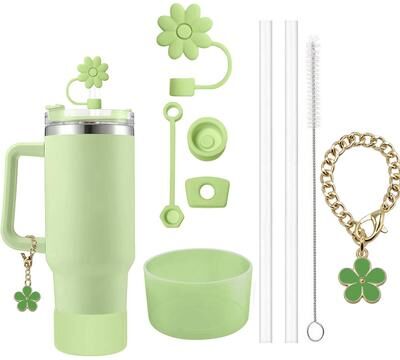
Friendly Fresh Finds Stanley Cup Accessories Set Spill Proof Stoppers, Straws, Brushes & Flower Charm For Customization greenElevate your Stanley Cup with our 9pcs Stanley Cup Accessories Set. This thoughtfully curated set includes everything you need to personalize and protect your favorite cup. Designed for convenience and style, it features three spillproof stoppers,...34,97 $*Shipping: 0,00 $Secure redirect to the provider
-
Friendly Fresh Finds Stanley Cup Accessories Set Spill Proof Stoppers, Straws, Brushes & Flower Charm For Customization blackElevate your Stanley Cup with our 9pcs Stanley Cup Accessories Set. This thoughtfully curated set includes everything you need to personalize and protect your favorite cup. Designed for convenience and style, it features three spillproof stoppers,...34,97 $*Shipping: 0,00 $Secure redirect to the provider
-
Can you mix the passé composé and the passé simple in a story?
Yes, it is possible to mix the passé composé and the passé simple in a story. The passé composé is commonly used in spoken French to talk about completed actions in the past, while the passé simple is more commonly used in written French to narrate past events. Mixing these two tenses can add complexity and richness to a story, providing a balance between the immediacy of the passé composé and the narrative distance of the passé simple. This combination can create a dynamic and engaging storytelling style. **
-
Imperfect or passé composé when?
The choice between imperfect and passé composé depends on the context and the specific action being described. The imperfect is used to describe ongoing or repeated actions in the past, while the passé composé is used for completed actions. If the action is a one-time event that happened in the past, the passé composé is more appropriate. However, if the action was ongoing or repeated, the imperfect should be used. **
-
What is the French passé composé?
The French passé composé is a compound past tense used to talk about completed actions in the past. It is formed with the auxiliary verb "avoir" or "être" in the present tense, followed by the past participle of the main verb. The choice between "avoir" and "être" as the auxiliary verb depends on the main verb and whether it is transitive or intransitive. The passé composé is commonly used in spoken and written French to describe specific actions that occurred at a definite point in the past. **
-
What is the French Passé Composé?
The French Passé Composé is a compound past tense used to talk about completed actions in the past. It is formed by using a helping verb (either "avoir" or "être" conjugated in the present tense) followed by the past participle of the main verb. The choice between "avoir" and "être" as the helping verb depends on the main verb and whether it is transitive or intransitive. The Passé Composé is one of the most commonly used past tenses in French. **
* All prices are inclusive of VAT and, if applicable, plus shipping costs. The offer information is based on the details provided by the respective shop and is updated through automated processes. Real-time updates do not occur, so deviations can occur in individual cases. ** Note: Parts of this content were created by AI.